Our Sites:
CITIZEN SCIENCE CENTER
View Solar Panel Dashboard

Beaver Creek Reserve ran community outreach programs long before the idea of building the Citizen Science Center. Wisconsin Department of Natural Resources developed citizen research programs that Beaver Creek Reserve hosted, these programs included:
In the early 1990’s, an idea began for a research program that incorporated people of all ages, and a separate official branch of Beaver Creek that would oversee it. After years of gaining support, the plan began to formalize and paper plans turned into boots on the ground. On April 25th, 2004, the Citizen Science Center was finished and officially dedicated to Beaver Creek Reserve.
Since the opening of the Citizen Science Center, we have worked on a wide range of fascinating topics including streams, plants, birds, invasive species, invertebrates, bats, bees, butterflies, frogs, fresh water mussels, and fireflies.
Citizen Science is the coming together of community members, teachers, students, environmental professionals and researchers to carry out scientific projects that answer real-world questions whose answers help to promote environmental stewardship and conservation.
We are lucky to live in a state that is rich in flora, fauna and has acres and acres of natural lands. Natural resource professionals with limited funds cannot possibly monitor the entire state. This is where Citizen Scientists can help.
YOU! All you need is an interest and a desire to learn. Well, a willingness to get a little dirty helps too.
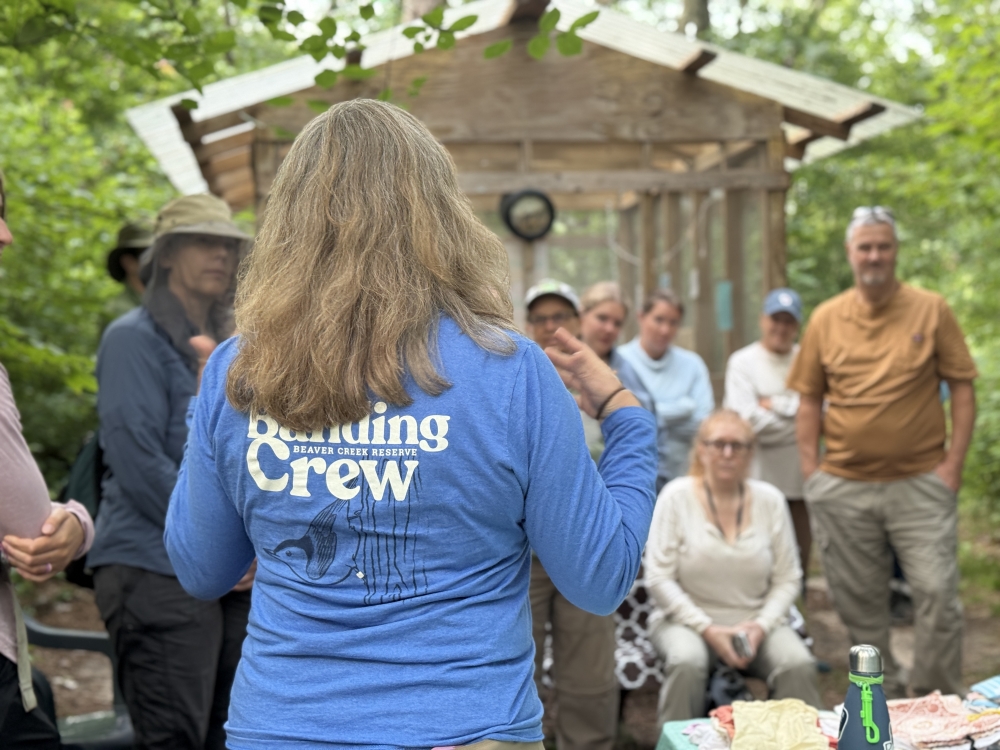
We can teach you, train you, and provide you with what you need to participate in all of our citizen science projects.
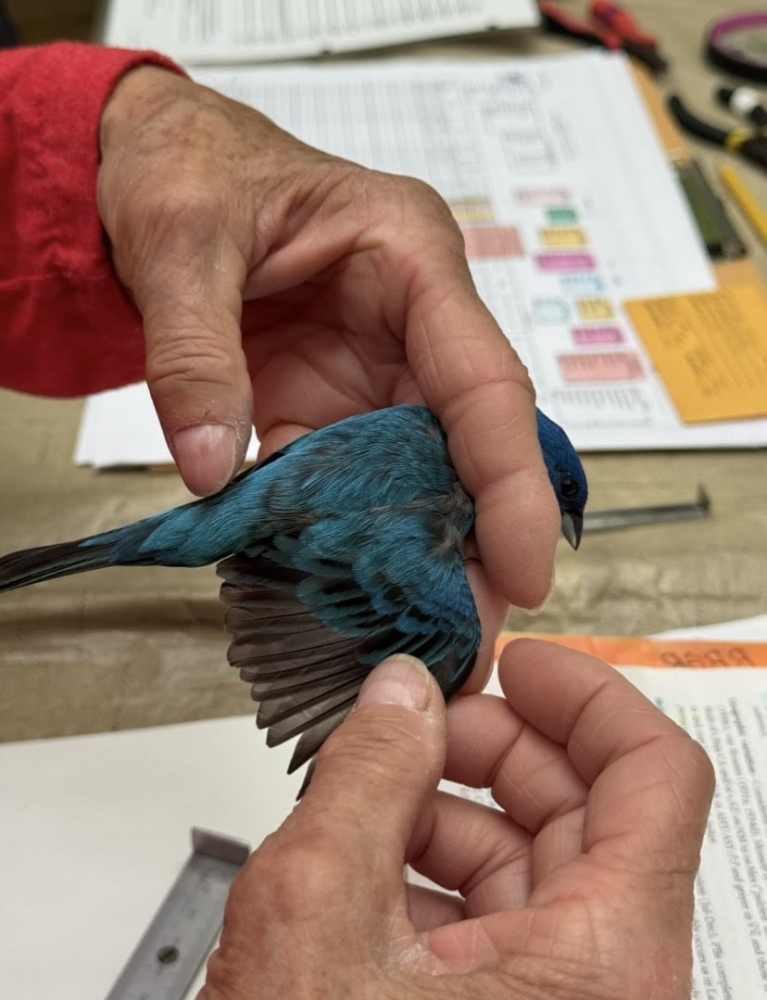
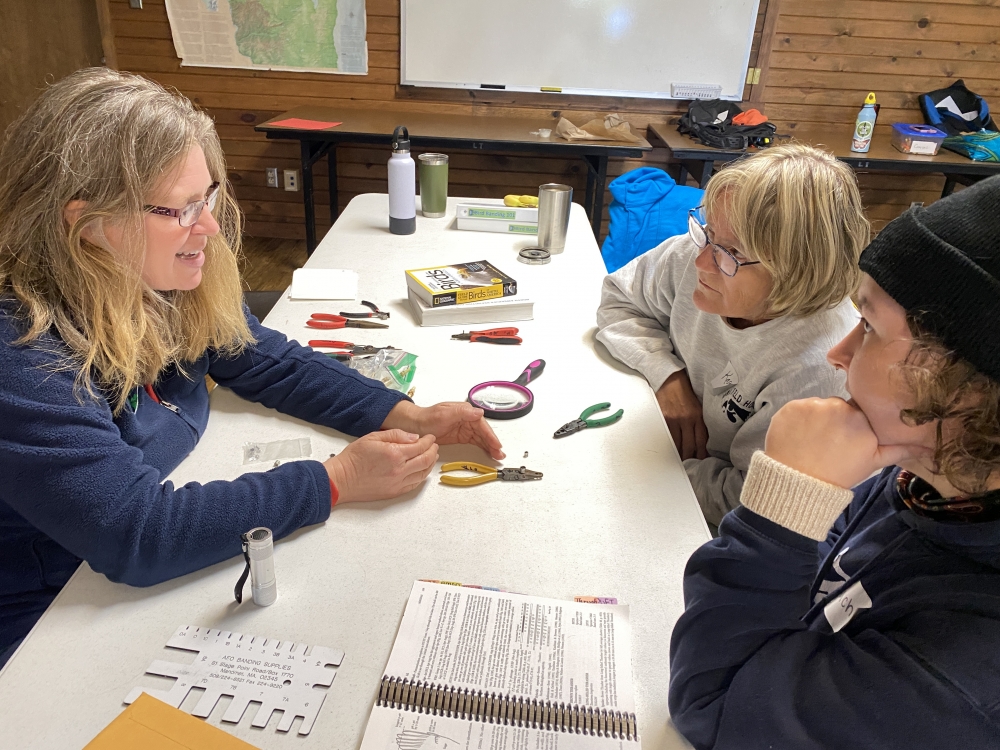
Experience the beauty of nature and contribute to vital bird conservation efforts—join us and make a difference by getting involved with our various bird-focused projects at Beaver Creek Reserve! For more than 25 years, the BCR Bird Bander’s have been collecting important data on local bird populations including winter residents and neotropical migrants. Data helps provide a clearer view of bird populations, life spans, migratory patterns and more. Check out all our projects below!
Avian Monitoring Program Year in Review 2025
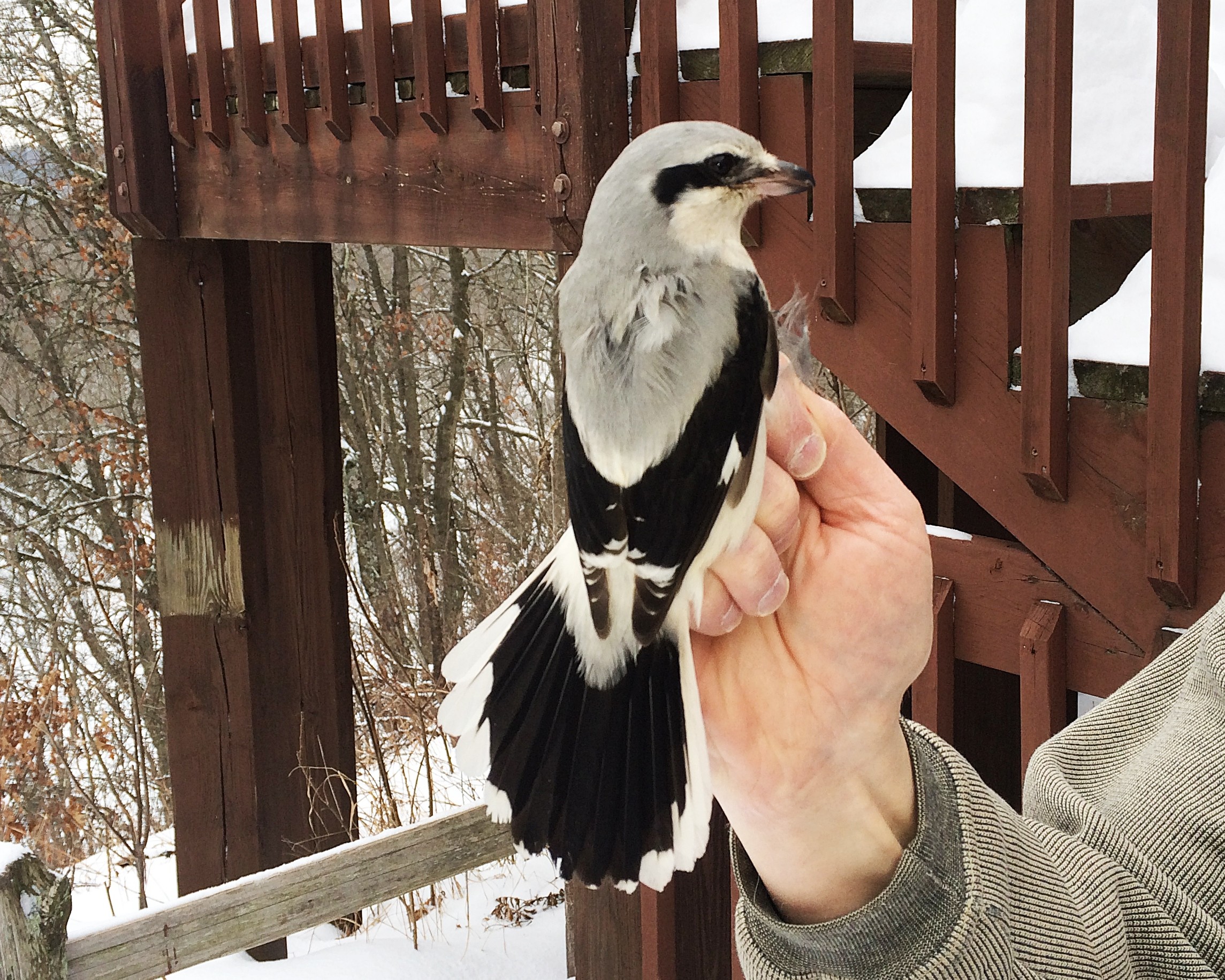
WHAT: Monitor long-term trends of bird populations
WHEN: September-May, Tuesdays @ 7:30-11:30 AM, weather permitting
WHERE: Wise Nature Center at Beaver Creek Reserve in Fall Creek, WI
WHY: To gather long-term trend data on birds, including information on age, sex, molt, breeding and movement
TRAINING: Offered in the spring and fall
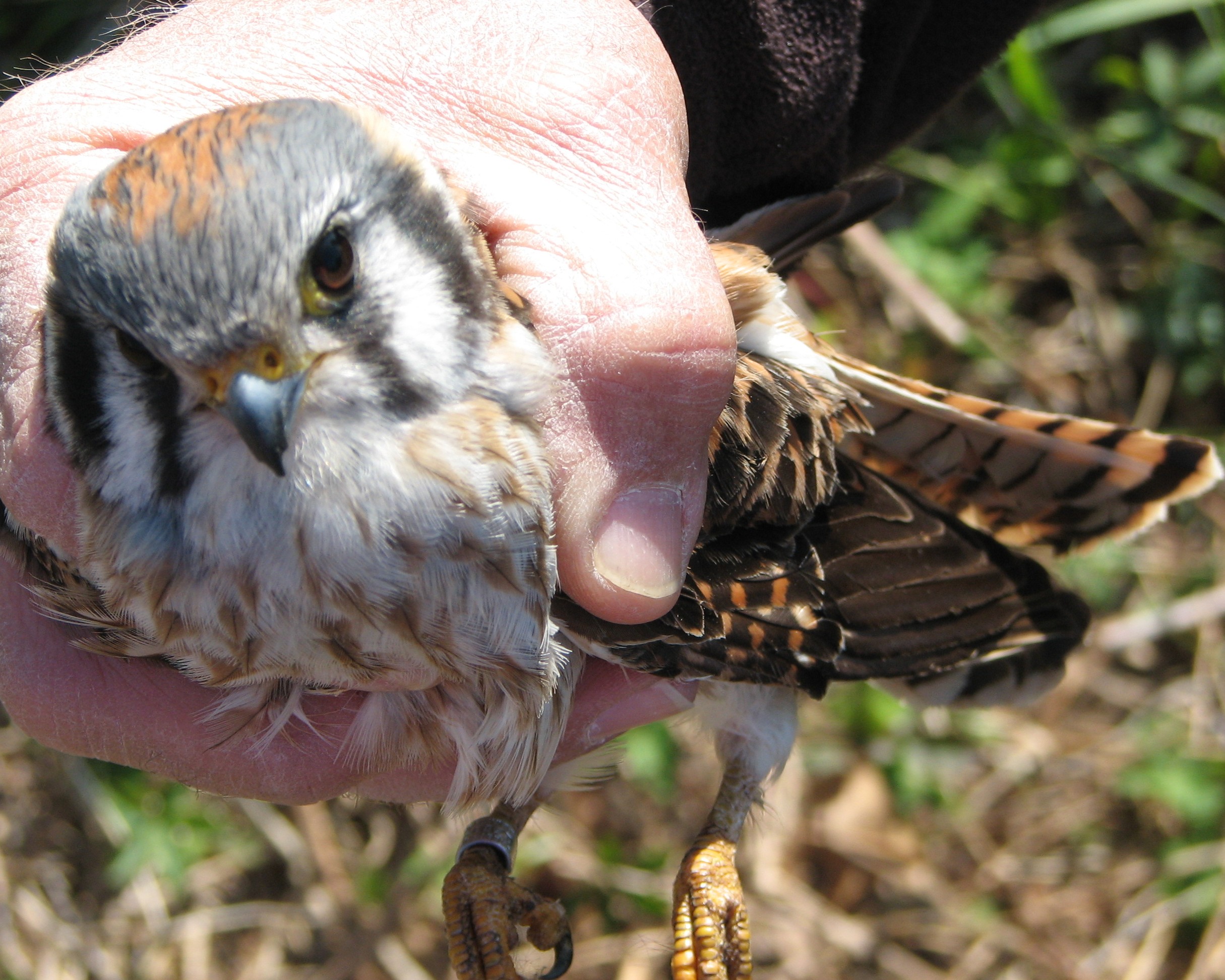
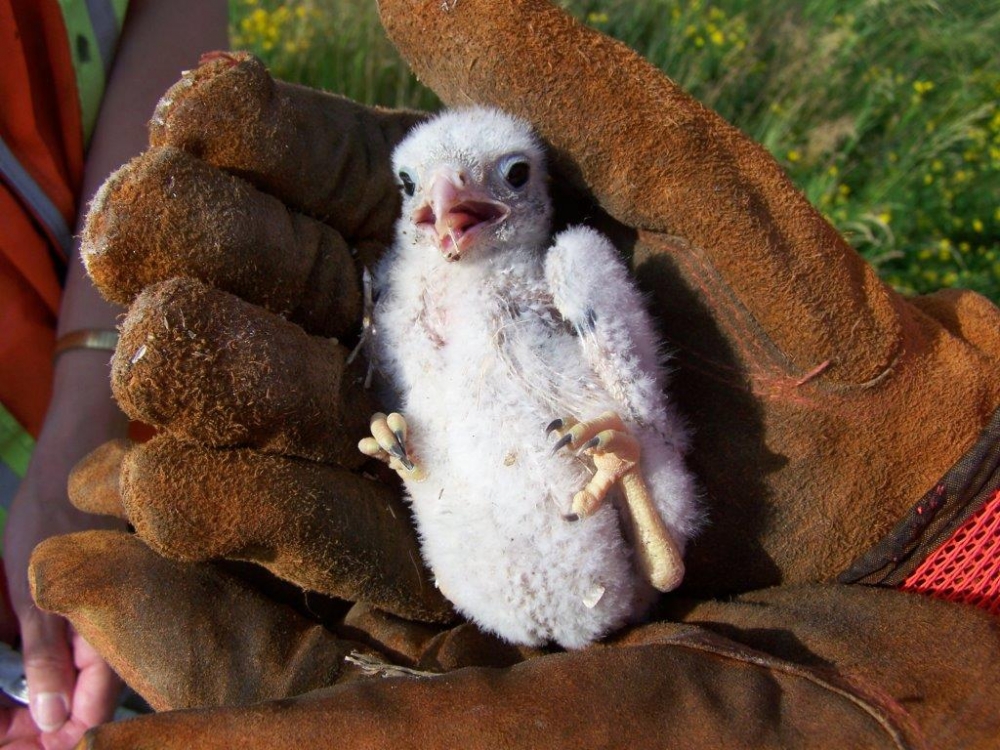
WHAT: Provide habitat for Kestrels by installing and maintain nest boxes. Monitoring nest to determine nest success
WHEN: March-July, every 1-2 weeks
WHERE: Eau Claire County and Badger Mine in Taylor, WI
WHY: Raise awareness and knowledge, while increasing nesting habitat for a cavity nesting species in decline
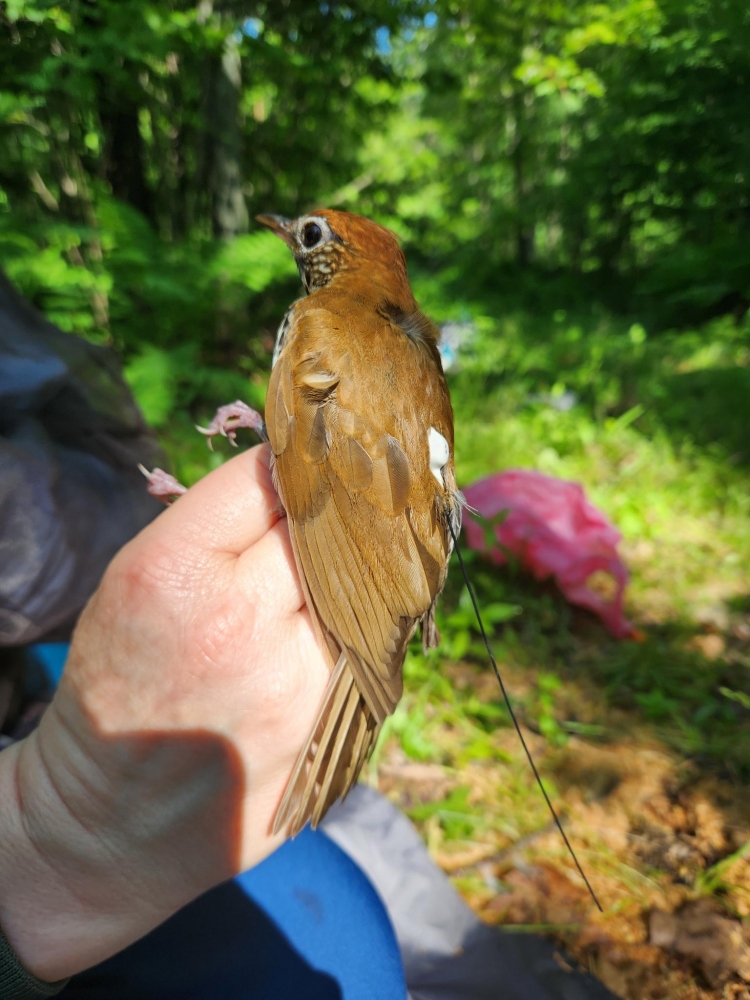
WHAT: A continent-wide collaborative effort to assist the conservation of birds and their habitats through banding birds on their breeding grounds
WHEN: 7 times throughout June - August
WHERE: Henke Acres Research Site – Beaver Creek Reserve
WHY: Maximize the impact of conservation efforts by strategically directing limited resources to the most critical times and places in a bird’s annual cycle
TRAINING: Held in September
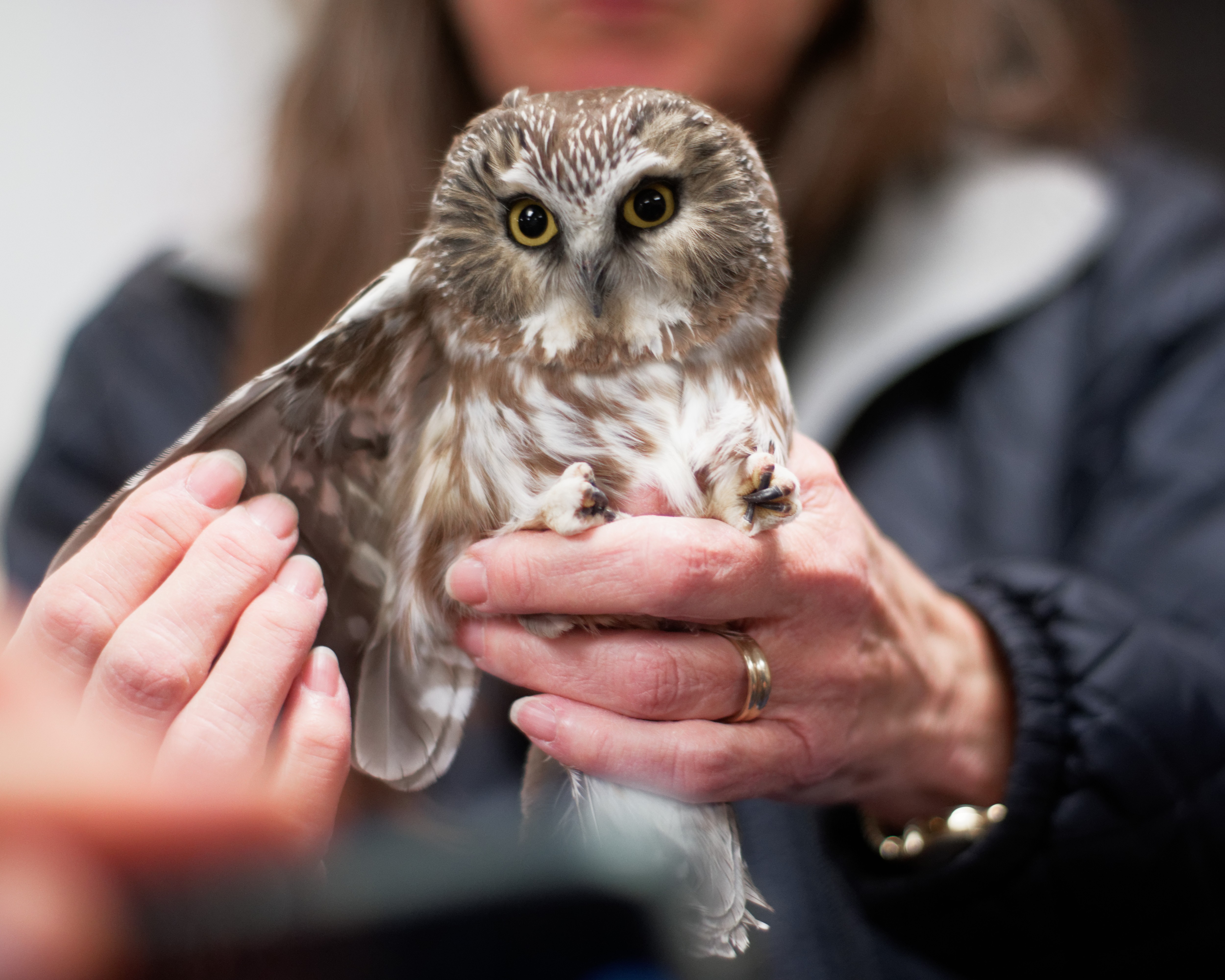
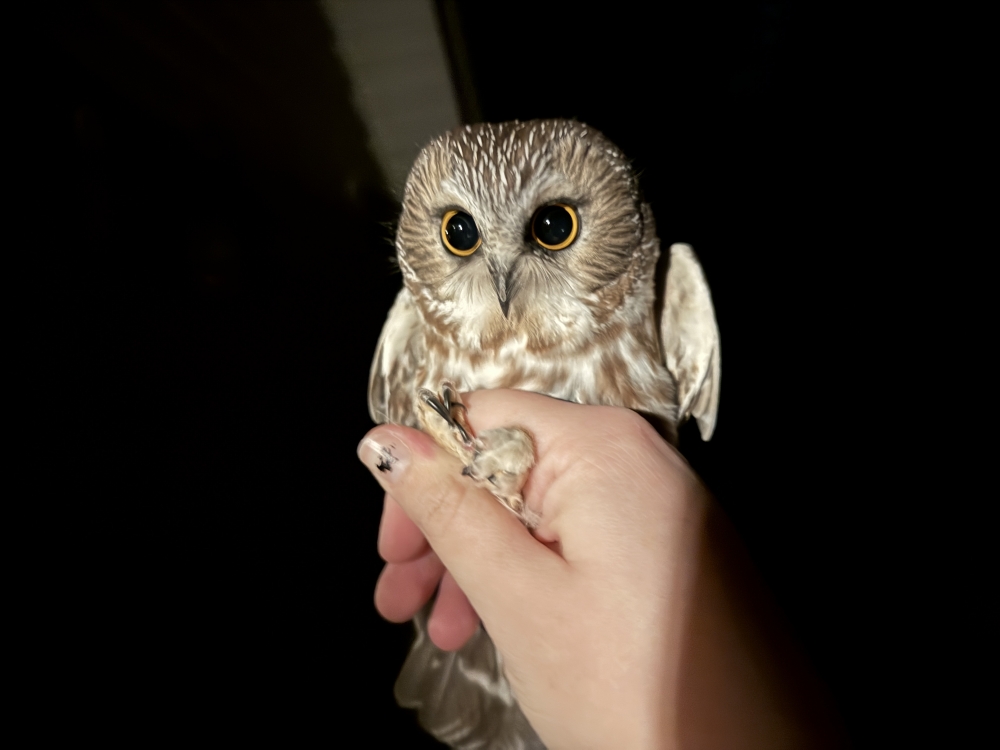
WHAT: Monitor Northern Saw-whet Owls during fall migration through trapping and banding
WHEN: October, Late nights, 3-5 nights per week
WHERE: Beaver Creek Reserve
WHY: Little is known about our smallest owl species. Banding provides invaluable data on Northern Saw-whet Owls, helping researchers track their movements, assess trends, and the overall health of the population
TRAINING: Offered in the spring and the fall
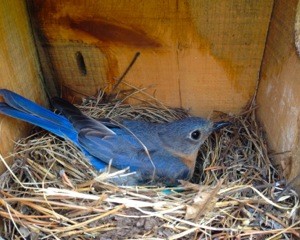
WHAT: Monitor Eastern Bluebird trails in Eau Claire County or in your own backyard by checking nest boxes every week during nesting season, and tracking success by counting eggs and observing nestlings through fledging.
WHEN: March-August
WHERE: Multiple sites around Eau Claire County
WHY: Raise awareness and increase the population of bluebirds and other cavity nesting species, while also discouraging non-native species from taking over the nest box.
TRAINING: Offered late winter-early spring
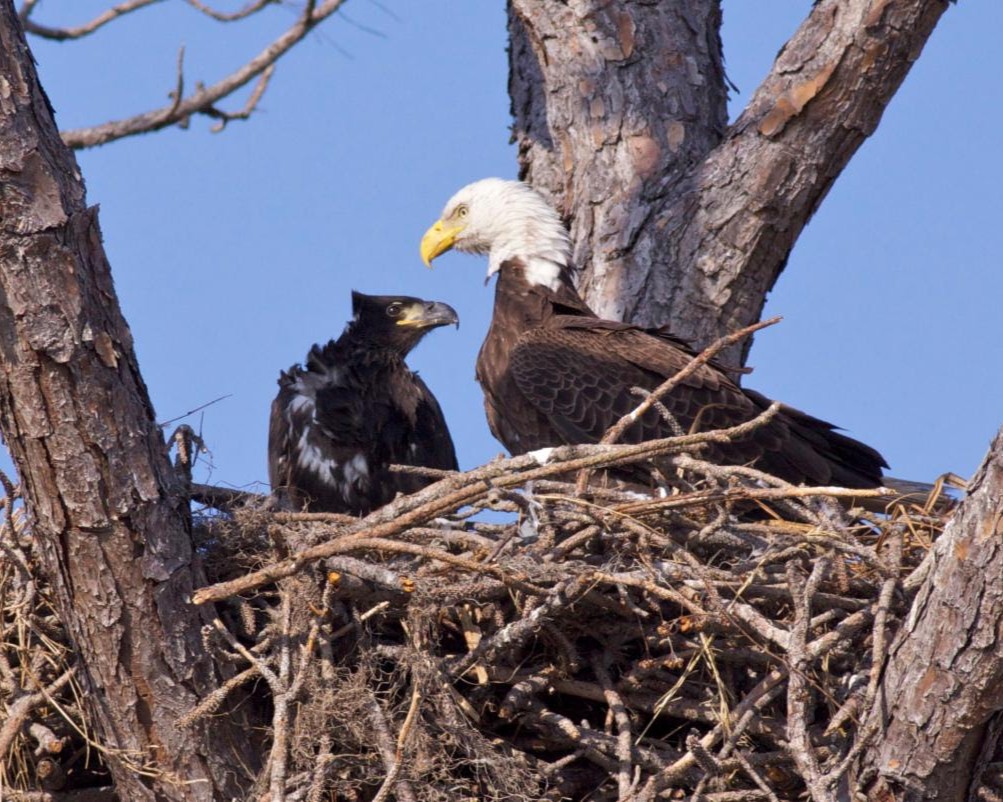
WHAT: A collaboration with the Southern Wisconsin Bird Alliance, where volunteers spend an hour each week monitoring eagle nests in five counties, witnessing the nesting process and, if fortunate, the first flight of fledgling eagles.
WHEN: February-June (depending on Nest)
WHERE: Eau Claire County and surrounding counties
WHY: To better understand the Bald Eagle population, nesting success and raise awareness and appreciation!
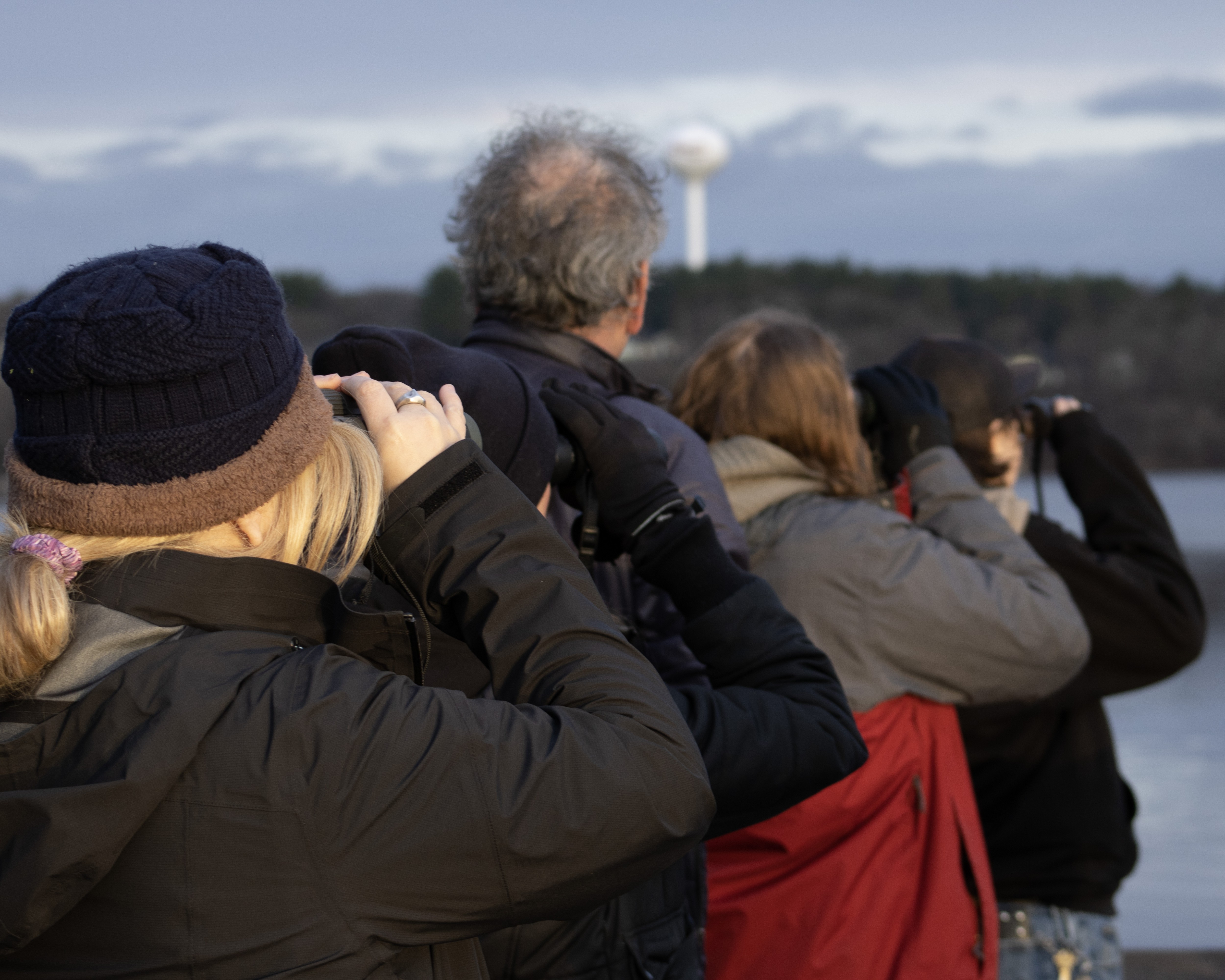
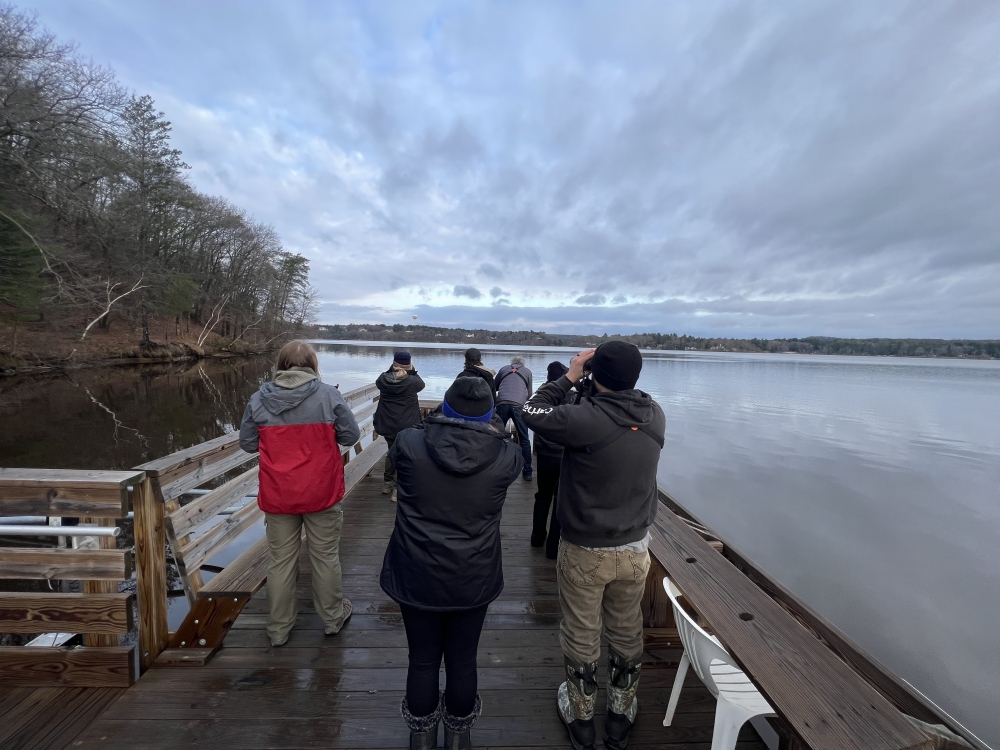
WHAT: The nation’s longest-running community science project, where you can help count birds in December and January across five different count circles.
WHEN: December 14-January 5
WHERE: The areas of Beaver Creek Reserve, Chippewa Falls, Durand, Nelson, and Holcombe
WHY: Data from CBC is used by scientists around the world to track trends, diversity, and distribution.
TRAINING: Offered in the spring and fall
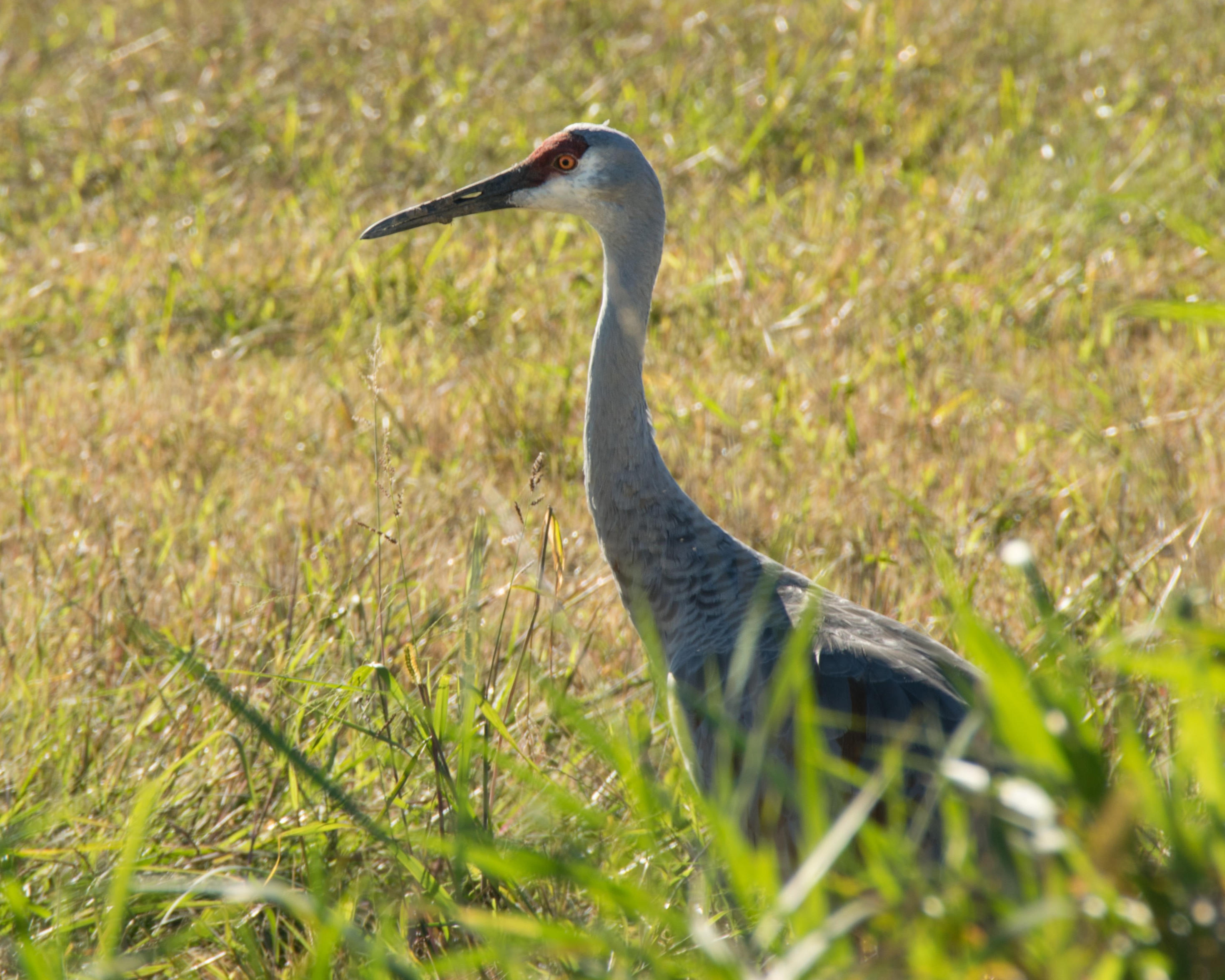
WHAT: A partnership with The International Crane Foundation, where counters rise before dawn to observe and listen for cranes in Chippewa and Eau Claire counties.
WHEN: Mid-April
WHERE: Eau Claire & Chippewa County
WHY: To monitor Sandhill and Whooping crane populations in different regions.
There are a variety of non-bird-related projects you can participate in with our Citizen Science Center. Whether you are wading in the water looking for freshwater mussels, monitoring for aquatic invaisve species, learning to rear and release Galerucella beetles that help keep our Purple loosestrife populations in check, or tracking Wisconsin bat species... We have something for everyone. Help contribute to our conservation efforts by checking out all other projects below and by signing up to volunteer.
To learn more about becoming a volunteer, contact our Citizen Science & Aquatics Coordinator, Bre, for more information!
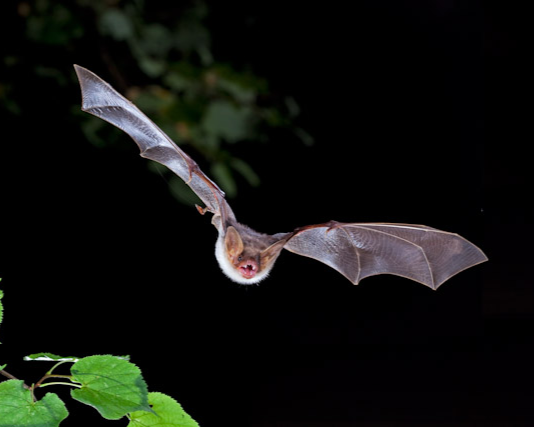
WHAT: Embark on a late-night hike and see who’s flying overhead, then report your findings to the Wisconsin Bat Program to help track species abundance, distribution and habitat trends.
WHEN: April-September
WHERE: Various sites in Eau Claire and surrounding counties
WHY: Data is used to track populations, diversity, habitat trends and more!
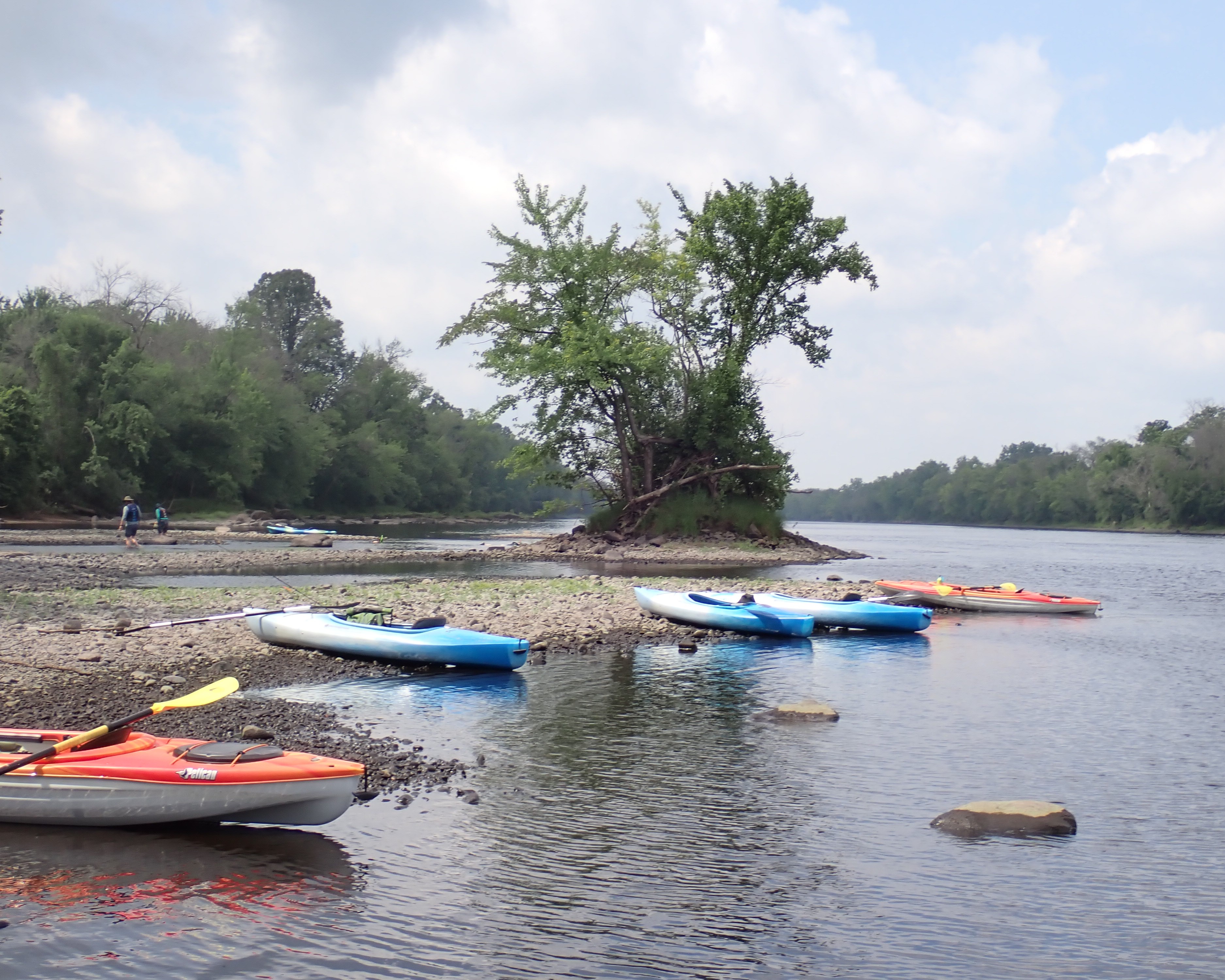
WHAT: Paddle through our waterways to monitor for aquatic invasive species. Join us for individual monitoring with our Citizen Science center team, or sign up for one of our larger programs like Project Riverine Early Detectors (RED) or Snapshot Day.
WHEN: May-September
WHERE: Various lakes, rivers and wetlands in Eau Claire, Chippewa, Rusk, Dunn, Pepin and Buffalo Counties
WHY: To determine presence and abundance of aquatic invasive species in different waterbodies.
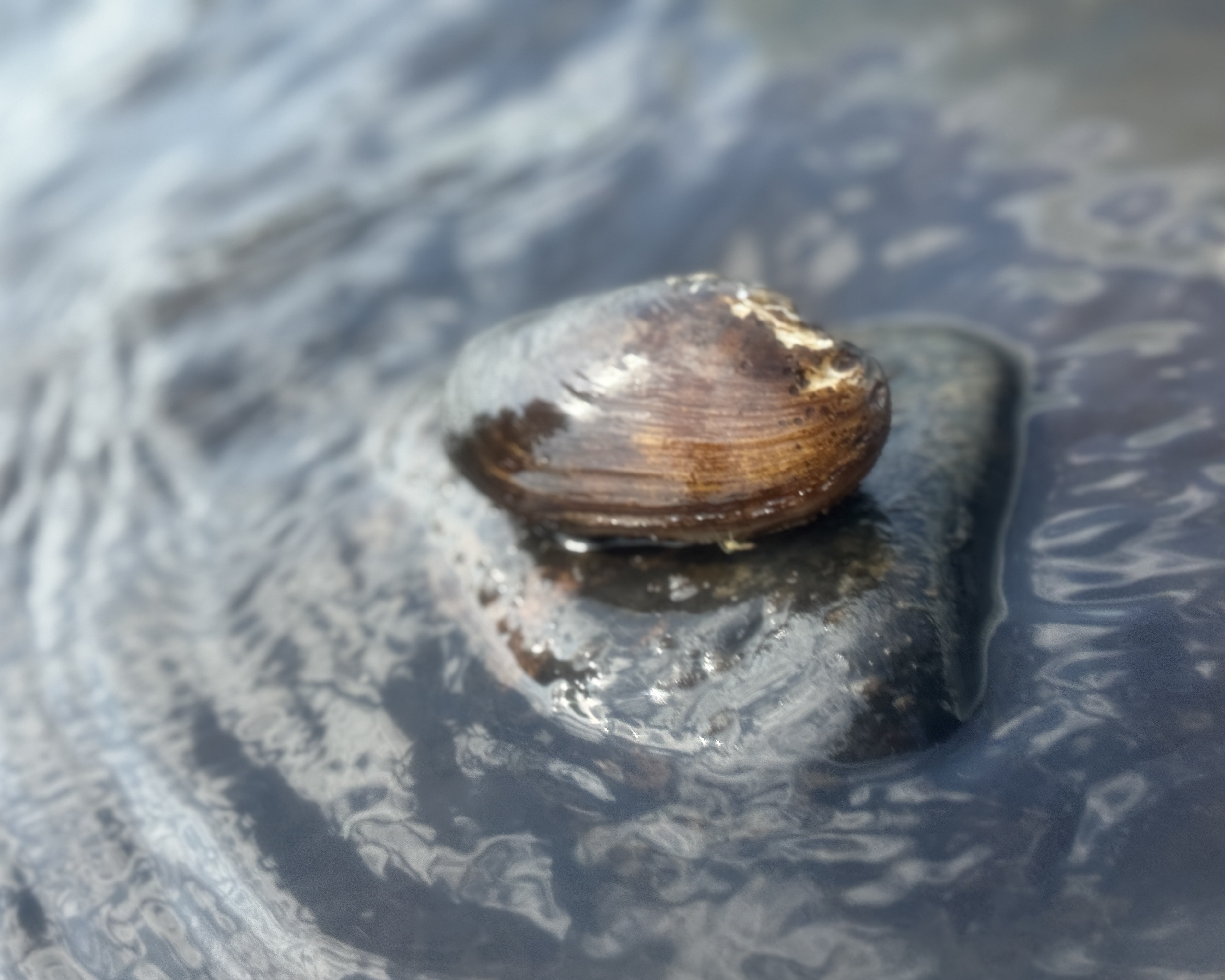
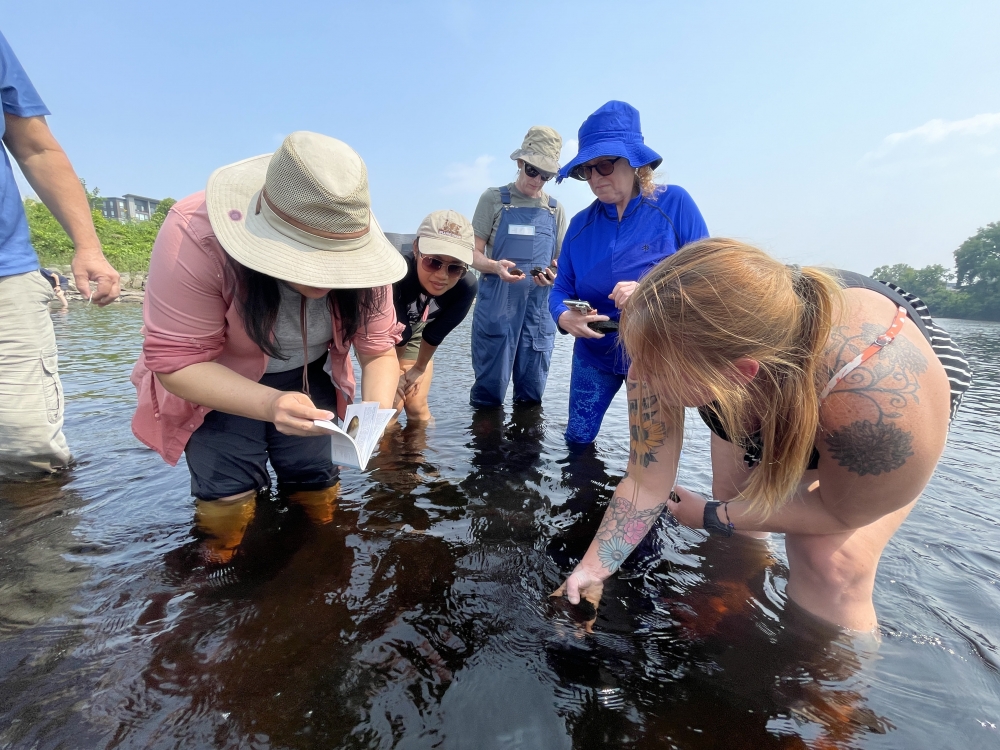
WHAT: Help uncover the secrets of freshwater mussels by collecting valuable data on the abundance, diversity, and distribution of mussels across Wisconsin. Data collected is shared with the Wisconsin Mussel Monitoring Program.
WHEN: May-September
WHERE: Various streams and rivers
WHY: Gather data to determine diversity, abundance and the health of mussel populations.
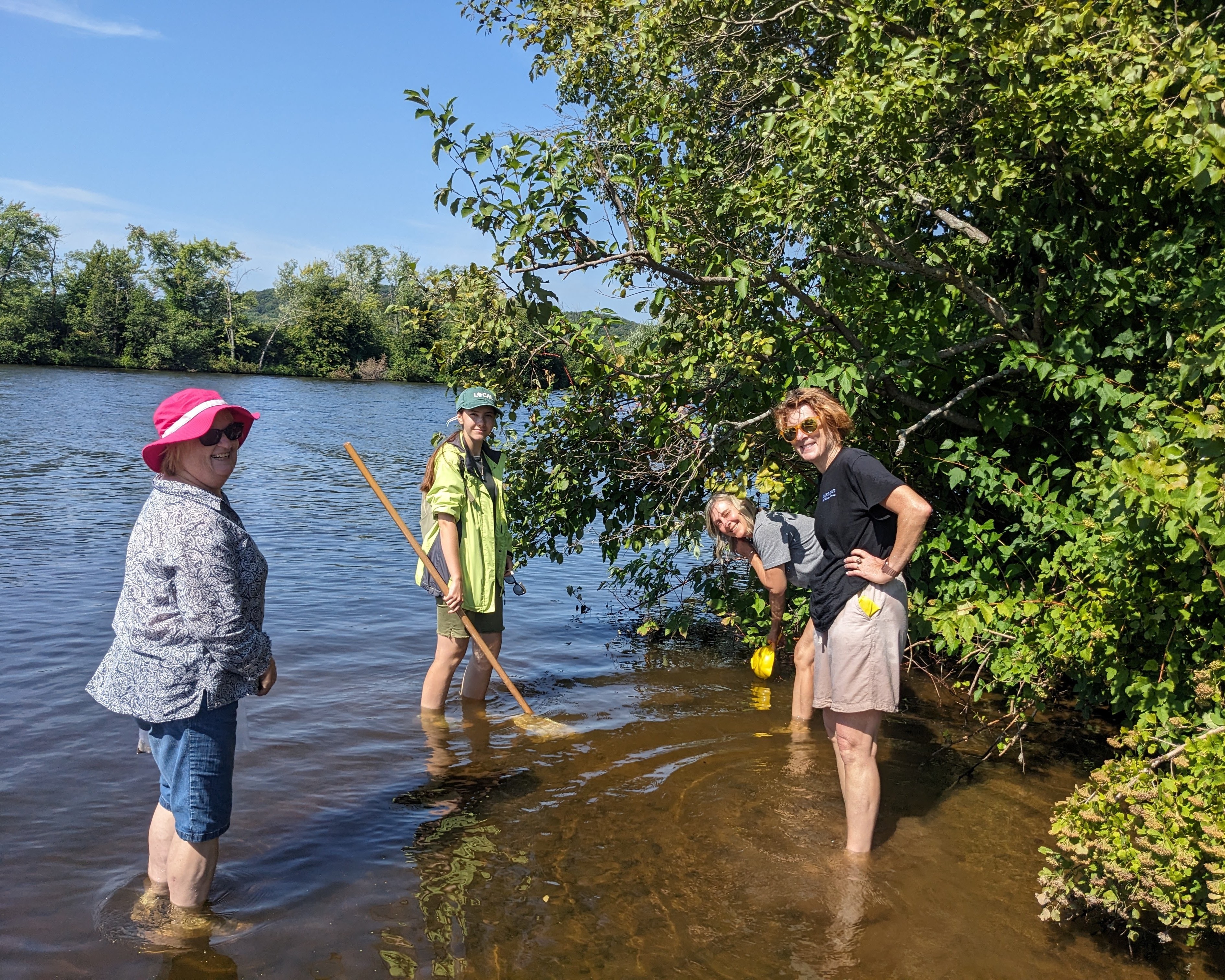
WHAT: Help monitor and protect our lakes by collecting various types of lake data, including water clarity, water chemistry, ice durations, and invasive & native species surveys on their lake of choice.
WHEN: Summer
WHERE: Multiple sites around Eau Claire & Chippewa Counties
WHY: To better understand trends in water quality.
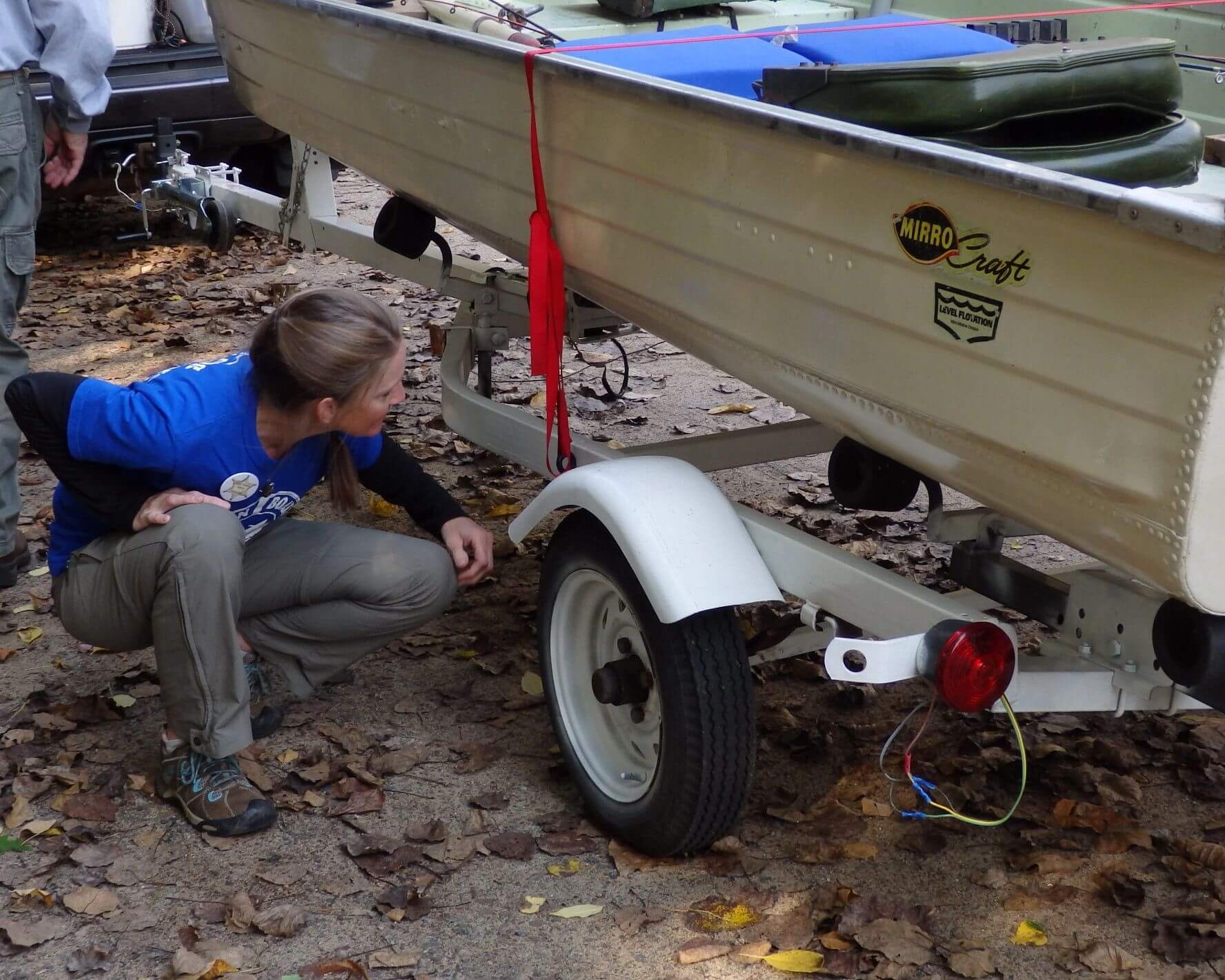
WHAT: Learn how to inspect watercraft at local boat landings while conducting aquatic invasive species outreach within your community. Perform boat and trailer checks, distribute information, and collect and report any new invasive species.
WHEN: Summer
WHERE: Multiple sites around Eau Claire & Chippewa Counties
WHY: Bring awareness to boaters and anglers about aquatic invasive species (AIS), and show them how to take steps to prevent the spread of AIS.
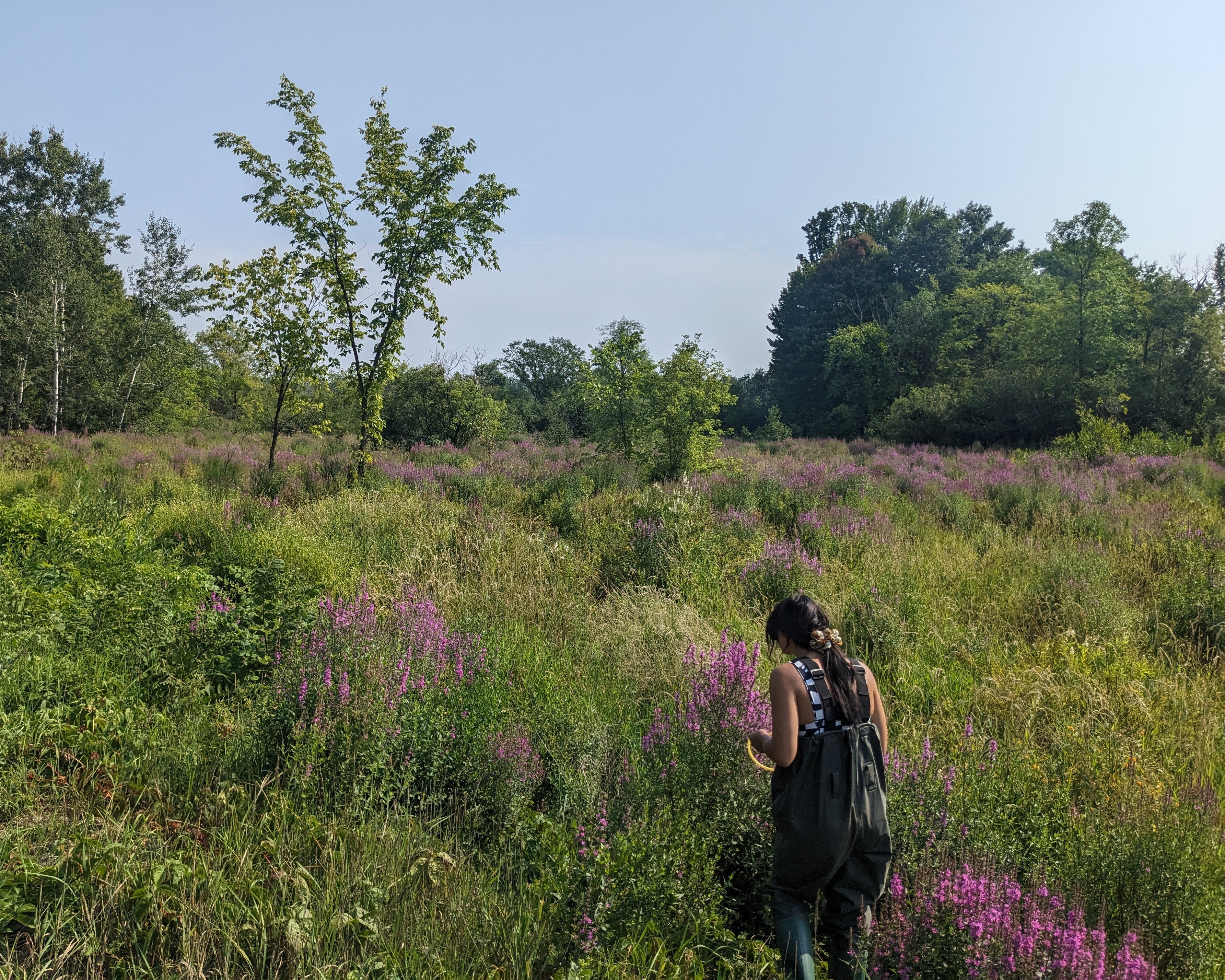
WHAT: Wisconsin volunteers have been participating in the biological control of invasive Purple loosestrife since 1997. Learn how to rear and release the beetles that are helping to keep our Purple loosestrife populations in check.
WHEN: Summer
WHERE: Eau Claire County and surrounding counties
WHY: To control the spread of this invasive species and manage the ecological impacts to wetlands and shorelines.